
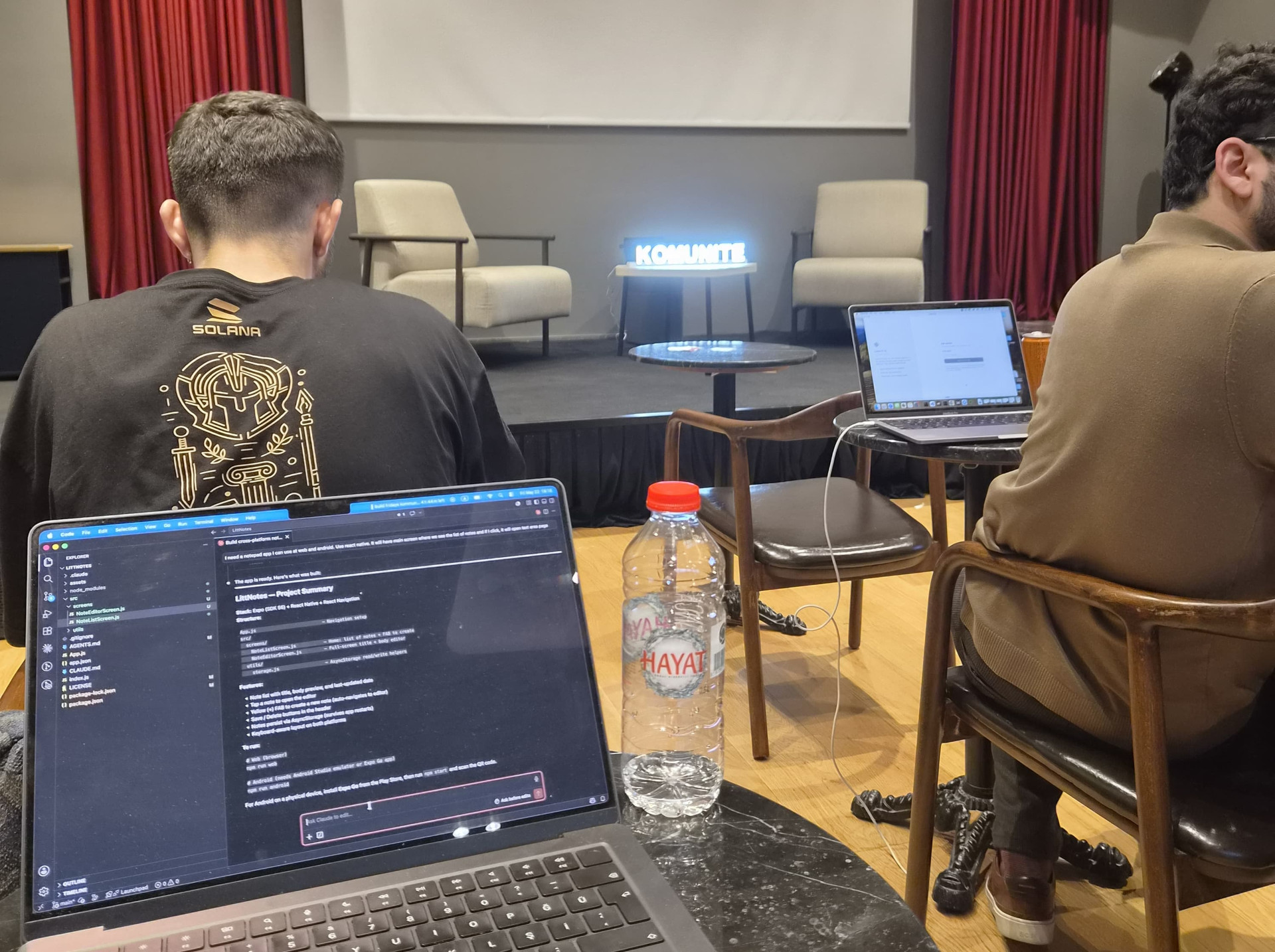
The first time I tried working from a cafe, I felt incredibly good. Laptop open, a giant latte next to it, lo-fi in my headphones… Then I looked up and realized I’d been writing the same email for two hours. I’d eavesdropped on the table next to me, checked my phone three times, and my coffee had gone cold.
Since that day, I’ve probably worked from cafes more than I’ve worked from home. Between freelance projects, thesis season, and various remote work stretches, working from a cafe turned into a lifestyle for me. Along the way, I picked up a lot through trial and error, and I wanted to put it all in one place. Maybe it’ll save one of those “I can never focus at a cafe” days for you too.
Picking the right spot is half the battle
It sounds obvious, but this is the most common mistake: not every cafe is built for working. That gorgeous spot you saw on Instagram is probably the last place you’ll find an open outlet on a weekend afternoon.
Before I go work somewhere, I check three things:
Outlet availability. If you sit down with your laptop at 40% battery and the nearest outlet is nowhere near your table, that day is already over. I’ve made it a habit to scan a cafe’s photos for wall outlets before I even leave the house. No outlet plus a long work session is an automatic dealbreaker.
Wifi stability, not speed. A connection that clocks 100 Mbps on a speed test but drops every ten minutes is far more infuriating than one that’s slow but steady. If I have a call coming up, I try to remember whether I’ve ever done a video call from that spot before. If I’m not sure, I keep enough mobile data on standby to tether from my phone.
Noise level. Oddly enough, completely silent places give me library-level anxiety. A light hum, an espresso machine in the background; that’s the sweet spot. But places blasting music through speakers, or with tables crammed right next to each other, make focus basically impossible.
Timing matters as much as location
The same cafe at 9 AM and the same cafe at 4 PM are two completely different places. Most cafes are calm in the morning: tables are open, staff aren’t slammed, and your order comes out faster. I schedule my heaviest work between 9 and noon, because both the space and my head are at their calmest.
Stay away from lunch rush and weekend brunch crowds. During those hours, tables are hard to find, and you start feeling guilty about “hogging” one and that guilt is productivity’s worst enemy.
The unspoken deal you make with a cafe
This is partly an etiquette thing, but it directly affects your output too. Sitting for hours nursing a single drip coffee isn’t fair to the business, and after a while it also puts a weird kind of pressure on you. My personal rule: order something new roughly every 1.5–2 hours. Coffee, water, a pastry, doesn’t matter what.
This isn’t just courtesy, either. Getting up to order is a natural break: your legs move, your eyes leave the screen. If you’ve tried the Pomodoro technique and could never stick with it, using order intervals as your break timer works surprisingly well.
I won’t even get into things like not taking a four-top table alone during peak hours, or using headphones on video calls; that’s just baseline etiquette.
What should be in your bag: minimal but complete
My bag has gotten a lot more focused over the years. What I always have with me when working from a cafe:
- Headphones (ideally noise-cancelling, the quality-of-life difference is genuinely huge)
- Charger and a long cable (a long cable is a lifesaver when the outlet is far from your seat)
- Power bank (for the days you lose the outlet lottery)
- A small notebook (perfect for planning when your eyes need a break from the screen)
And here’s what I’d tell you to leave at home: a tablet, a second laptop, books, planners. Cafe tables are small. If your gear doesn’t fit on the table, it stops fitting in your head pretty quickly too.
Dealing with distraction
The biggest advantage of a cafe and its biggest disadvantage are the exact same thing: there are people around. You don’t get the “let me just lie down for five minutes” trap you get at home, but the couple’s drama at the next table is just as tempting.
Here’s what’s worked for me: before I sit down, I write one sentence on my phone describing what I want to finish that session. Something like “finish the first draft of the report.” What matters isn’t how long I spend at the cafe – it’s whether that sentence became true. This small trick has largely cured the “I sat at a cafe all day and have no idea what I actually did” syndrome.
You can also use social pressure to your advantage. When there are other people working around you, it gets a lot harder to open a TV show on your screen. I specifically seek out cafes full of people working; that shared-focus atmosphere is contagious.
Everyone needs a “home base” cafe
The last tip, and honestly the most important one: constantly discovering new spots is fun, but for actual output, having one or two fixed “home base” cafes is far more effective. A place where the staff recognizes you, where you already know which table is closest to an outlet, where you type the wifi password from memory; that familiarity puts your brain straight into “this is where I work” mode. It’s basically your home desk, minus the option to go empty the dishwasher.
I save new-spot exploration for lighter tasks: clearing out email, reading, planning. Anything that needs deep focus always happens at the home-base cafe.
Working from a cafe isn’t for everyone, and that’s fine. But with the right spot, the right timing, and a handful of small habits, it’s absolutely possible to have far more productive days than you would in a cluttered head at home.
If you’re looking for a cafe to work in, ProductivePlaces lets you filter cafes and find exactly what you’re looking for. Find your base cafe and good luck…

Leave a Reply